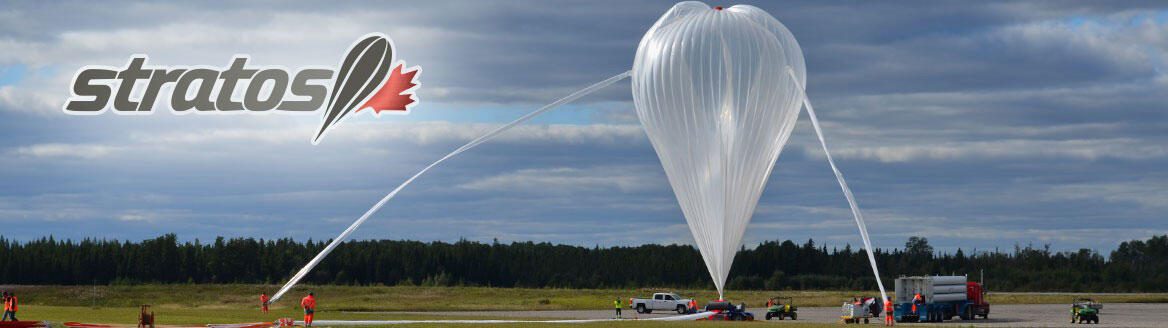
CAN-SBX Stratospheric Helium Balloon Payload
Collaboration between the Queen's Space Engineering Team and the Canadian Space Agency
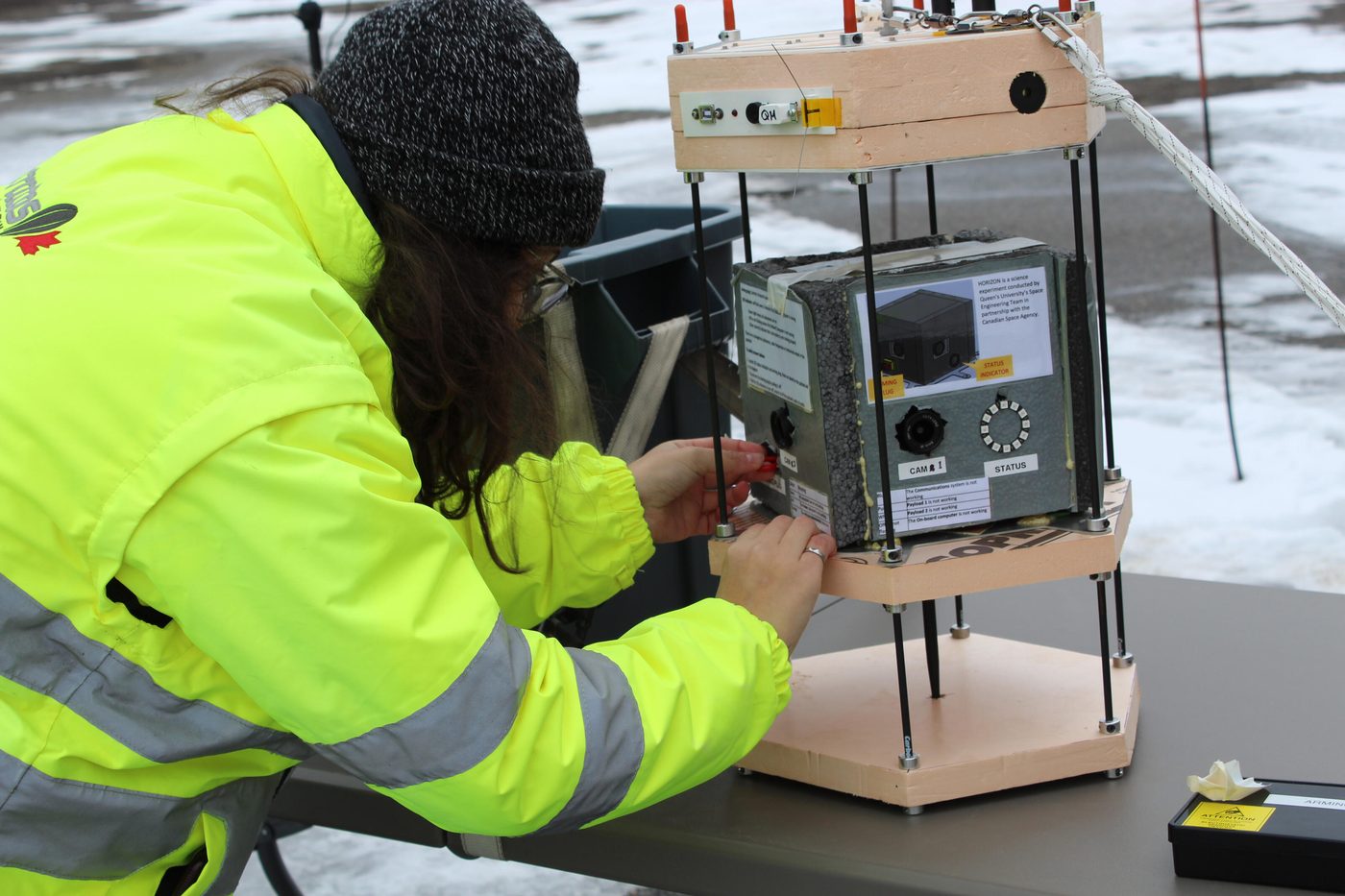
The Queen's University Horizon payload, developed as part of the 2021 CAN-SBX stratospheric balloon campaign, successfully demonstrated a low-cost and lightweight attitude determination system using commercial off-the-shelf cameras to image Earth's limb and estimate large-angle attitude changes. This first-time flight from the Timmins Stratospheric Balloon Base validated the proof-of-concept for the approach, characterized the camera's performance parameters in the harsh stratospheric environment compared to traditional systems, and highlighted its potential as an accessible alternative for balloon-borne or CubeSat missions. Weighing approximately 2.5 kg with low power consumption of about 15 watts, the payload operated effectively during a daytime ascent, collected valuable data, and was recovered intact after parachute descent, contributing to advancements in affordable space technologies through student-led innovation.
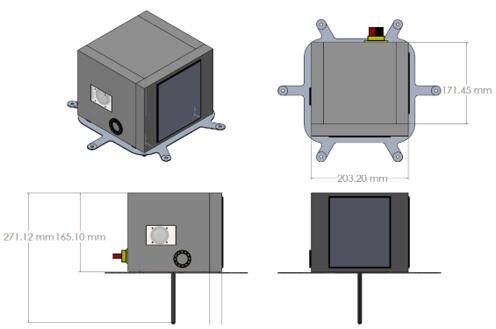
My primary contributions to the Horizon project centered on thermal management and mechanical integration. I designed the boxed chassis based on component requirements and the Canadian Space Agency's payload adapter requirements, guaranteeing compatibility within the gondola. The base plate was designed and CNC machined from 1/8 inch aluminum, enabling a secure and compatible attachment to the gondola rods.
Insulation was based on a basic resistance thermal analysis model, ensuring passive heat distribution kept the electronics within safe operating temperatures despite extreme stratospheric conditions. Dependent on the temperature on launch day (external cold bias expected in winter months), a set number of tested hand warmer packs were selected to be enclosed with the electronics. This heat pack in lunch box method is common among hobby balloon launches, given the short mission duration.
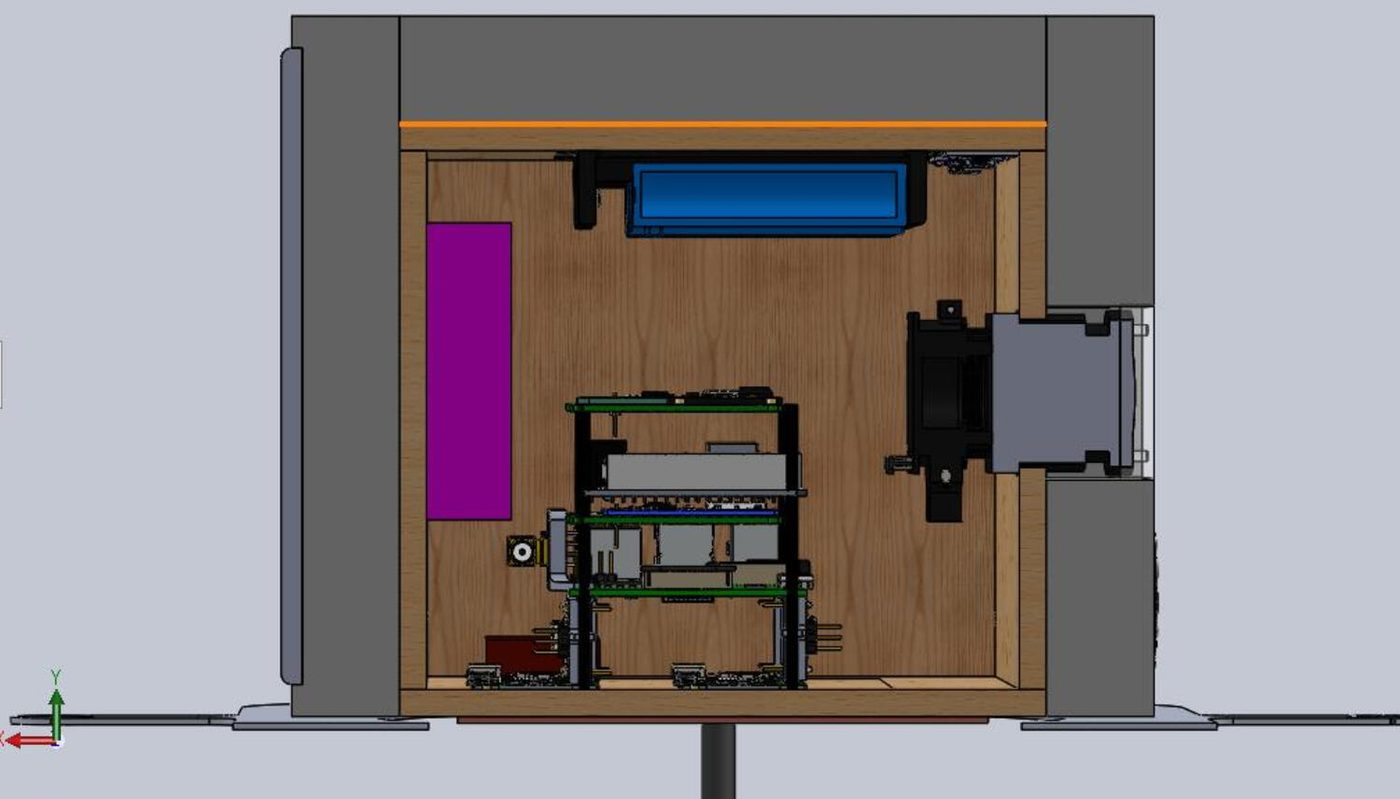
I also led the hands-on assembly and integration of the payload, bringing the system from design to flight-ready status.
Read more about the campaign on the Canadian Space Agency's CAN-SBX 2021 page.
← Back to Portfolio